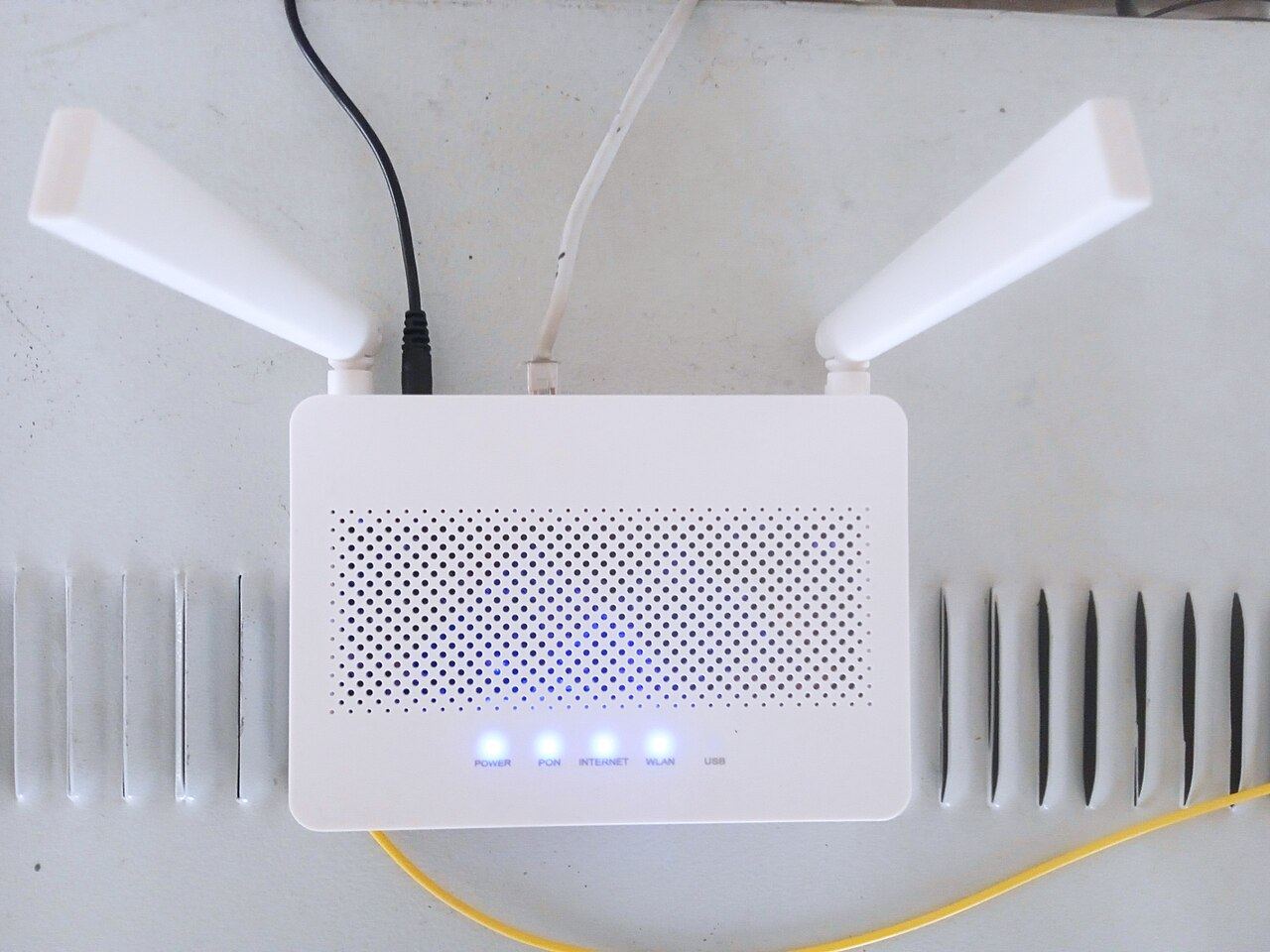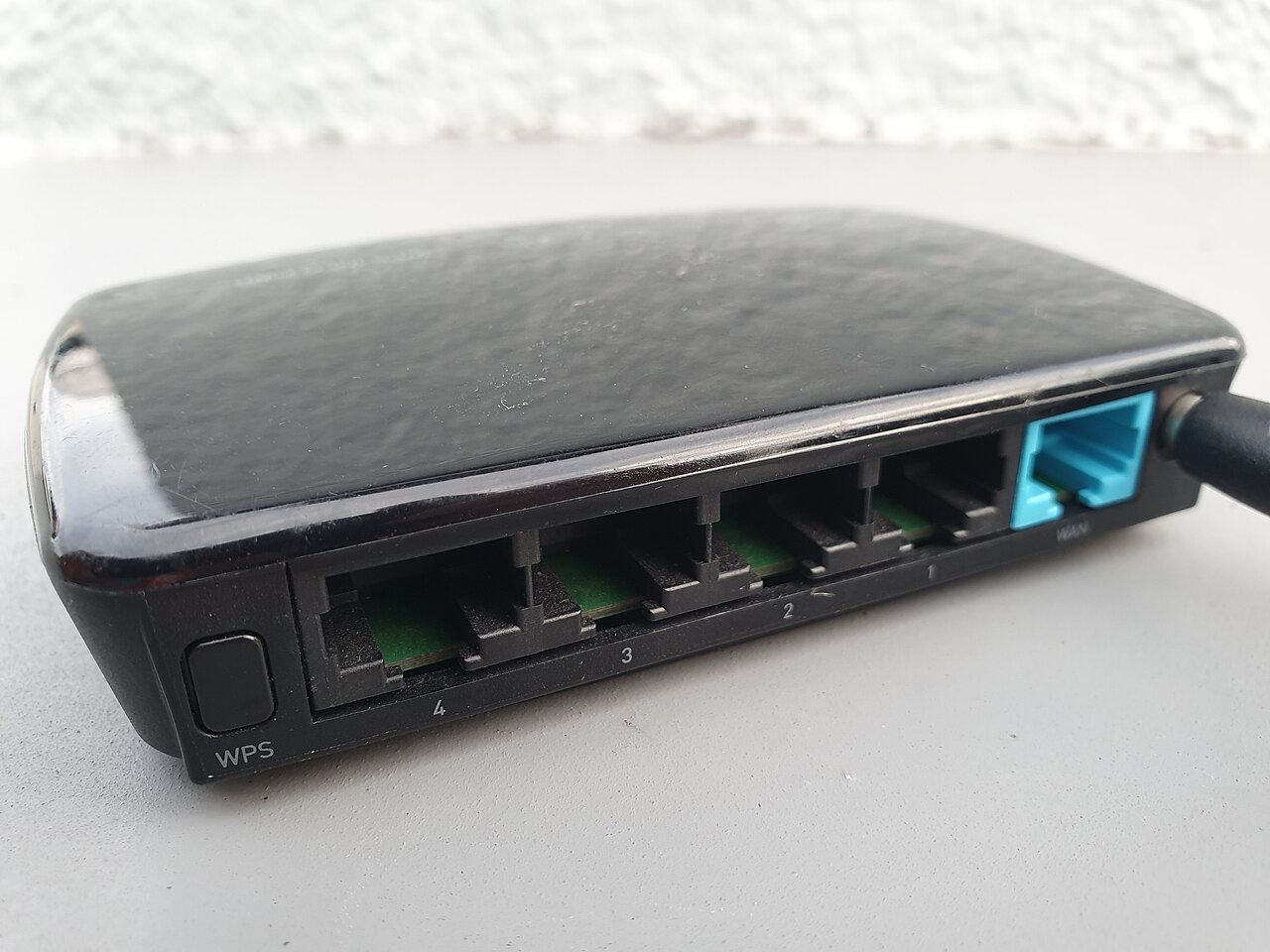
Hardware degrades, slows down, or stops getting security updates eventually. Replacing it on a plan, instead of waiting for it to fail, is what avoids the unexpected downtime and the emergency purchase.
Keep an inventory
You can't plan replacements for equipment you haven't tracked. For every laptop, server and switch, record the purchase date, the warranty end date, who or where it's used, and the model and serial number. Review the list once a year to see what's approaching end of life.
Set a target lifespan per device type
Hardware doesn't age at the same rate. A laptop used daily wears faster than a server sitting in a controlled room. As a general guide:
- Laptops and desktops: replace when they're too slow for the job, or when the manufacturer stops shipping security updates.
- Servers: usually last longer, but need a more stable environment to get there.
- Switches: durable, but replace once they no longer support what you actually need from the network.
Revisit these targets yearly as your needs and the technology change.
What should trigger an early replacement
- Warranty has ended: repairs get more expensive from here.
- End of support: once a manufacturer stops patching an OS or a device, it's a security risk, not just an inconvenience.
- It's slowing people down: frequent freezes or crashes cost more in lost time than a replacement would.
- A repair costs close to a replacement: at that point, just replace it.
Spread the cost
Replacing everything at once is a shock to the budget. Set aside a fixed amount each month for refreshes instead, and keep a few spare laptops on hand so a sudden failure doesn't stop someone's work. If money is tight, prioritise what would actually stop the business (servers, core switches) over what's merely inconvenient (a spare monitor).
When a device is retired
Move its files to a central server or cloud storage first. Wipe the drive properly, not just delete the files, so no company data survives on it. Dispose of the physical hardware responsibly.
Checklist
Review this once a year, so nothing quietly reaches the end of its life without a plan already in place.